
Arrest Warrants in Blount County
A Blount County arrest warrant is written authority for an officer to take a person into custody, and the county does not start that process with a web listing. The Blount County Warrant Magistrate Office describes a report, sworn facts, and a probable-cause decision made by a magistrate who stands apart from the complainant. Probable cause is the legal threshold. It sits above a bare accusation. In Blount County terms, it is still far from a finding of guilt. Jurisdiction matters here. Blount County misdemeanor complaints, worthless-check matters, county traffic issues, and felony complaint intake can route through the courthouse magistrates. Oneonta, Snead, and Blountsville municipal cases do not. Those belong with that city's court or police department. The split is practical. In Blount County, the office that issued an arrest warrant controls its case record and the court response that follows.
Blount County Arrest Warrant Complaint Path
The Blount Magistrates and Warrants page lays out the Blount County arrest-warrant sequence step by step. A Blount County misdemeanor complaint starts with a report. The reporting person files it with the Blount County Sheriff's Office. A police department with municipal jurisdiction works too. The person then brings the report to the Blount County Magistrate Office, completes an affidavit, and answers the magistrate's questions under oath. The magistrate alone decides probable cause. A Blount County felony complaint takes a different road. The reporting person contacts the Blount County Sheriff or proper police agency. An investigator takes the statement. The officer or investigator then walks the complainant to the Clerk's Office, where both complete a sworn deposition. The Blount County magistrate makes the probable-cause decision. If the threshold is met, Blount County says an arrest warrant issues, and this path exists for issuance, not for checking your own status. Blount County holds misdemeanor probable-cause hearings on Tuesdays and Thursdays from 2 to 4 p.m., with emergencies handled through contact with the office. Obtaining a warrant this way costs nothing. Still, a complainant cannot simply drop charges later, and court costs may follow.
What a Blount County Arrest Warrant Contains
Blount County publishes no full schema of an arrest-warrant entry. The statewide rules fill the gap. They describe the legal content and the process every warrant follows. A person seeking a Blount County record can ask the issuing court or the Sheriff about the fields. Blount County may withhold some warrant details until service.
| Issuing court | The judge, magistrate, or court responsible for the order. |
|---|---|
| Case number | The court identifier used to locate the connected proceeding. |
| Charge or reason | The alleged offense or complaint supporting issuance. |
| Issue date | The date the judicial officer signed or entered the warrant. |
| Status | Whether service, return, recall, or another court event is shown. |
| Release direction | Bond or court instruction if the office may disclose it. |
Blount County sets no single arrest-warrant number format. A sample court identifier might read CASE NUMBER ON NOTICE. Keep addresses, photos, and family details out of posts.
Blount County Arrest Warrant Rules
The Alabama Rules of Criminal Procedure library gathers the core arrest-warrant provisions that govern Blount County. Rule 3.1 covers an arrest warrant or summons once criminal proceedings begin. Rule 3.2 spells out required content. Rule 3.3 governs execution and return. A return records how the warrant was served. Together these rules anchor the statewide procedure behind the Blount County magistrate process, and the library page presents the rules themselves rather than any person's record.
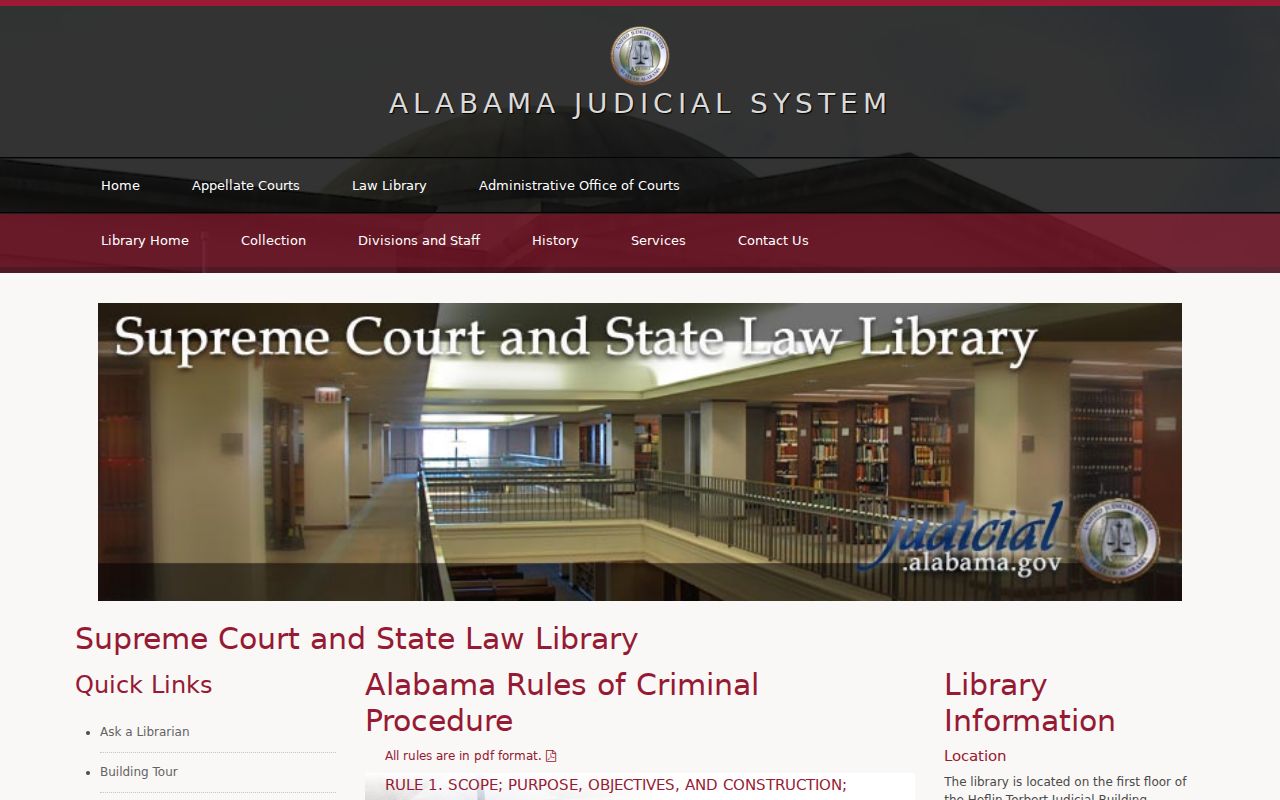
The rules give the frame. For current Blount County arrest-warrant instructions, ask the Circuit Clerk, the Warrant Magistrate Office, or the Sheriff.
- Complaint
- A sworn accusation that begins a criminal proceeding under Rule 2.
- Probable cause
- The legal basis a neutral judicial officer must find before a warrant issues.
- Service
- Execution of the warrant by an authorized officer.
- Return
- The officer's report of warrant execution to the proper court.
How Blount County Arrest Warrants Are Served
Alabama Rule 3.3 governs execution and return, but Blount County sources support only a careful statement about who serves a warrant. Sheriffs and municipal police are the agencies named in the Blount County arrest-warrant issuance path. Blount County documents no separate warrant squad. It lists no constable service chart, city marshal, or service-allocation rule either. Guesswork has no place here. Never assume one agency or another holds a warrant. Service should not be assigned by guesswork. The Blount County court does give one direct instruction. A person who suspects an unserved county warrant must appear in person at the Sheriff's Department. The office sits at 225 Industrial Park Road in Oneonta. The Sheriff's official contact number is 205-973-0517, listed as available 24 hours. That label promises no round-the-clock warrant counter, walk-in surrender plan, or phone-only status check. Call before you travel. Seek legal advice first when custody may result. An unserved warrant stays out of public view until served, the county court says, so a docket, inmate roster, or Most Wanted page can miss a live warrant. The Sheriff's direction and the issuing court remain the confirmation routes.
Blount County Arrest Warrant Check
Worried a Blount County complaint has turned into an arrest warrant? Don't lean on the Sheriff Most Wanted page to rule it out. That list is a curated subset, and it carries its own accuracy warning. The inmate roster answers a different question: who is in custody now. It says nothing about an order still outstanding against someone walking free. Alacourt and case-by-case Just One Look can surface court-record leads, but neither works as a real-time statewide warrant search for Blount County.
- Identify whether the concern involves county court or a named municipal jurisdiction.
- Call a lawyer if advice is needed before making an in-person sheriff appearance.
- Use the Circuit Clerk or city clerk to identify the issuing court when a case number is known.
- Follow the Sheriff's in-person direction for a suspected unserved county warrant.
- Ask the court or Sheriff what official appearance, bond, or case step comes next.
Skip the general Sheriff email for anything sensitive. Blount County's crime-tip page warns that plain email is not secure, and the tip form exists for tips, not for confirming a warrant.
Arrest Warrant vs Summons vs Bench Warrant
All three papers can pull a person into a Blount County courtroom, yet they start life differently. An arrest warrant rests on a probable-cause finding and authorizes custody. A summons is different. It orders an appearance but is not a warrant. A bench warrant typically follows a duty left unmet in a case already open, such as failure to appear. Rule 3.1 lets a court choose either an arrest warrant or a summons where appropriate, and its comments note that ignoring a summons can lead to an arrest warrant.
| Record | What starts it | Immediate effect |
|---|---|---|
| Arrest warrant | Sworn complaint and probable cause | Authorizes arrest |
| Summons | Court orders a response | Requires appearance |
| Bench warrant | Missed date or unmet court duty | Authorizes custody on the existing case |
Labels matter less than current status in Blount County. Ask the issuing court directly whether the order is still open and what it demands. A filed complaint, a live docket, or a name missing from Most Wanted settles nothing.
Blount County Arrest Warrant Bond
Blount County publishes no countywide arrest-warrant bond schedule, bond-window hours, accepted bond methods, cash-bond policy, or release-price lookup. The statewide framework comes from Alabama Rule of Criminal Procedure 7.2, not from a local price list. So never infer a bond amount from a charge label or from someone else's case.
- Ask which court controls release and the next appearance.
- Ask whether the person should contact counsel before appearing.
- Ask what bond or release instruction applies to this case.
- Ask what identification or paperwork the receiving office requires.
- Confirm what case duties remain after any release.
Posting bond on a Blount County warrant handles custody and its active status, nothing more. The charge beneath it still stands. A hearing, plea, trial, or payment may come next. Keep every receipt and order, and confirm the next date with the clerk.
What to Do If There's a Warrant for You
Work from confirmed facts, not from a guess off a public list. Contact the issuing Blount County court and ask what process it requires. For a county warrant, the local court's published channel is an in-person appearance at the Sheriff. A lawyer can shape a planned appearance, advise on bond, and deal with the court directly. The Circuit Clerk cannot offer that legal advice.
Act carefully: Do not evade a confirmed arrest warrant or make an unplanned appearance without first seeking official direction and needed legal advice.
Once the court-directed step is done, check more than whether you were released. Ask the Blount County clerk whether service or return was entered, what the case status now shows, and when the next hearing sits. If a judge later recalls or quashes the warrant, get the court record proving it. The Blount County warrant resolution overview sorts out recall, bond, and the duties that survive in the underlying case. Blount County posts no guaranteed walk-in surrender timetable or phone clearance. The Sheriff lists administrative hours on weekdays from 8 a.m. to 5 p.m., and its contact number is labeled 24 hours for non-emergency use. Call ahead and confirm the current arrangement before you leave home.
Blount County Arrest Warrant Access
Alabama residents hold an inspection and copying right under the Alabama Public Records Law, Ala. Code § 36-12-40, subject to exceptions. Section 36-12-45 sets written procedures for requests to public officers, while judicial records follow court-specific access rules on top of that. A narrow, well-built request names the custodian, the record, and the date range, then asks about current cost and availability. That law still does not defeat the Blount County court's statement that an arrest warrant is not public until served. Juvenile records, sealed or expunged material, and other protected files may also be withheld. The Sheriff publishes no local request form, fee list, certified-copy price, or turnaround promise, so ask the agency for its current process rather than asserting a fee or deadline. The Blount County Circuit Clerk contact page offers one local records route. Alabama runs no single public statewide warrant-name database. Paid Alacourt.com and case-by-case Alacourt Access are court-record products. Municipal files stay with the city court. For a live personal concern, confirmation from the issuer and the Sheriff beats treating any one database as complete.